

Most emergencies in the UK are inconvenient but completely survivable. Power goes out, water stops running, the boiler fails or the weather turns rough for a day or two. A simple 72-hour kit helps you stay comfortable and avoid the usual last-minute stress when something stops working.
You do not need specialist equipment or anything unusual. Everything here is based on normal household items and ordinary supermarket shopping.
Why 72 hours?
72 hours is roughly how long it can take for outside help to arrive or for essential services to stabilise. It became standard because early emergency planners used it and the idea spread through guidance and media over time. It works: long enough to be useful, short enough for anyone to prepare. Once the basics are sorted you can expand at your own pace. 72 hours is not chosen because it is perfect, but because it is achievable, realistic and gets you moving in the right direction.
Not just stuff
This primer should be read together with the accompanying page The Readiness Mindset, which covers simple planning steps and a few straightforward habits that help a household stay organised and calm during a disruption. Kit matters, but the way you think and prepare as a household matters just as much.
How to use this guide
Work through each section in order and gather items into one place. It should take less than an hour to get the basics together.
The kit
What follows is a breakdown of what you need to collect. The word collect is deliberate. You probably have most of this in your home already. At this stage we use what you have rather than sending you out with a long shopping list. Getting ready is about taking small, practical steps using familiar items before you consider upgrades.

1. Water
Water is the foundation of any short-term emergency plan. In the UK a burst main, contamination warning or severe cold spell can interrupt supply with no notice at all. Having a small store of clean drinking water removes that worry completely.
A practical target is 10 litres per person per day, totalling 30 litres per person for 72 hours. Because water supply disruptions are unpredictable and external help is not guaranteed, it is wise to have your own buffer. Thirty litres per person gives you flexibility, peace of mind and enough for basic hygiene or small emergencies.
This amount can feel large at first, especially if you have never stored water before. It is still achievable in almost all UK homes. With a little creativity it fits under beds, inside wardrobes, at the base of cupboards, behind sofas, or along skirting spaces.
If money is tight, clean pop bottles filled from the tap work well. Rotate them every six to twelve months and avoid milk or juice bottles because they can never be cleaned fully.
Store water in a cool, dark place such as under a bed, in a cupboard or at the bottom of a wardrobe. You may need to spread the storage around your home. This is perfectly fine as long as you keep track of where everything is.
If you are using supermarket bottles, use the oldest first and replace them during your normal shopping. If you fill clean pop bottles from the tap, refresh them every six to twelve months and use the old water for plants, drinking or cooling a bath.
Pets need a little planning too. Dogs typically need 0.5 to 1 litre per day, while cats need around 150 to 250 ml per day.
2. Food
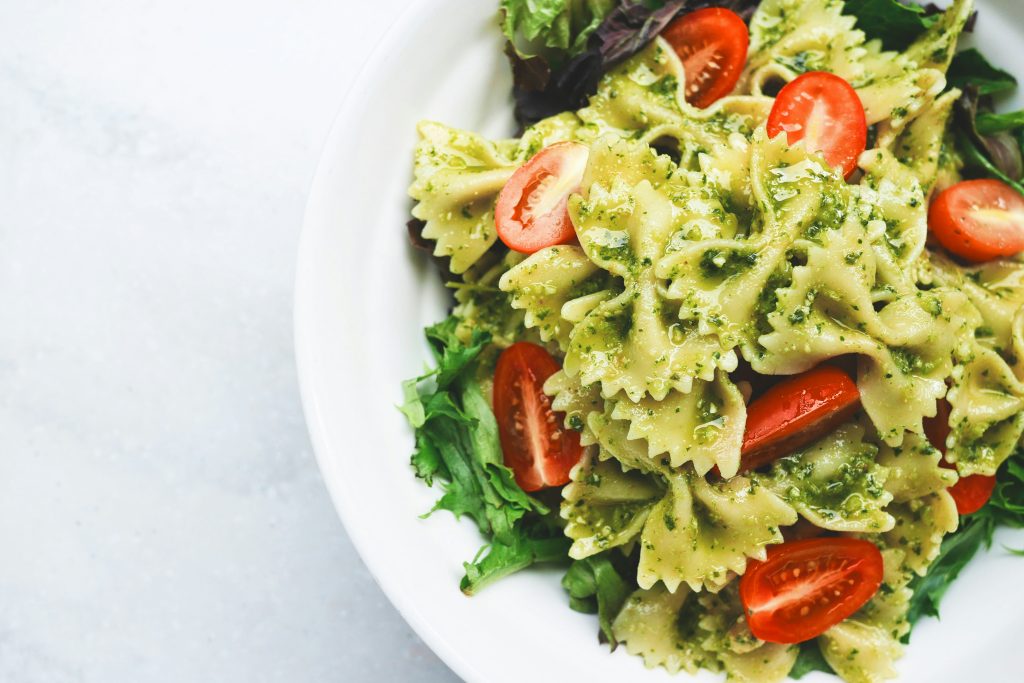
Your 72-hour food plan should be simple, familiar and easy to manage without relying on cooking. The goal is not to change what you eat for three days, but to make sure you always have enough everyday food at home to get through a short disruption comfortably.
A helpful target is nine meals per person, plus a few snacks. This gives you enough flexibility without needing to plan exact calories or portions. Aim roughly for your normal intake and do not worry about precise numbers.
Ready-to-eat tins form the backbone of a 72-hour food supply. Beans, soups, pasta tins, chilli, curries and tinned fish all work well and can be eaten cold if needed. Keep a manual tin opener in an obvious place so you can use whatever tins you have.
To add variety, include a few easy no-cook options such as microwave rice, instant noodles, filled pasta packets, cereal bars, porridge pots, crackers, oatcakes or wraps. These foods are familiar, require minimal preparation and help keep meals feeling normal.
Snacks matter more than people expect. During any disruption, having chocolate, crisps, nuts, dried fruit or biscuits makes the experience far more bearable and provides quick energy when needed. Keep the drinks you enjoy as well such as tea, instant coffee, squash or soft drinks.
If you have pets, add a few extra days of their usual food so they can stay on their normal routine.
Rotation is simple. Use what you store and store what you use. These are ordinary foods you already eat, so keep a small, comfortable buffer and replace items through your normal shopping. If you have special dietary requirements, babies, allergies or strong preferences, include the foods you know work for you. A short emergency is not the time to experiment.
Good preparedness tastes like your normal life.
3. Power and Light
Light and power make an enormous difference during a disruption. Being able to see clearly, move around safely and keep your phone charged helps things feel normal and prevents small problems from turning into bigger ones.
For task lighting, a torch or a headlamp is ideal. A torch is simple and gives a strong beam, while a headlamp provides hands-free light for dealing with minor tasks or navigating stairs in the dark. Either option works well and many households benefit from having both.
For lighting a room, an LED lantern is the easiest and safest choice. It provides gentle, even light and can sit on a table while you get on with whatever you need to do. Candles will also work if they are already part of your home, but treat them with care. Keep them on a stable, non-flammable surface, away from curtains and pets, and never leave them unattended. If you include candles in your kit, remember to add a lighter or matches.
Most households rely heavily on their phones, so it is worth keeping at least one fully charged powerbank with the correct charging cable. This gives you a dependable way to keep your phone alive for updates, messages and practical information. Rechargeable torches or lanterns can also be topped up from the same powerbank, which keeps things simple.
If mains power is unavailable for longer periods, you can also use your car as a reliable charging source. A USB adapter for the 12-volt socket lets you recharge phones or powerbanks safely while the engine runs. This provides a valuable bridge between short outages and longer disruptions, especially if you keep a spare cable in the glovebox. Just remember not to run the engine in a closed space, and keep some fuel in reserve if you expect prolonged power cuts.
If you prefer traditional battery-powered lights, add a small pack of spare batteries to your kit. Both approaches work well, and a mixture of rechargeable and battery-powered items gives you flexibility if the power cut lasts longer than expected.
Mostly, your emergency kit should be kept together and out of the way, but having a light source near the bed and in the places you spend time is wise. It helps you find the rest of your kit during a blackout. Your phone torch is a good first step before switching to a more sustainable light.
4. First Aid and Medication
For a short emergency you only need enough medical supplies to deal with minor injuries and keep yourself comfortable. A simple first aid kit supported by a few reliable extras will cover most situations.
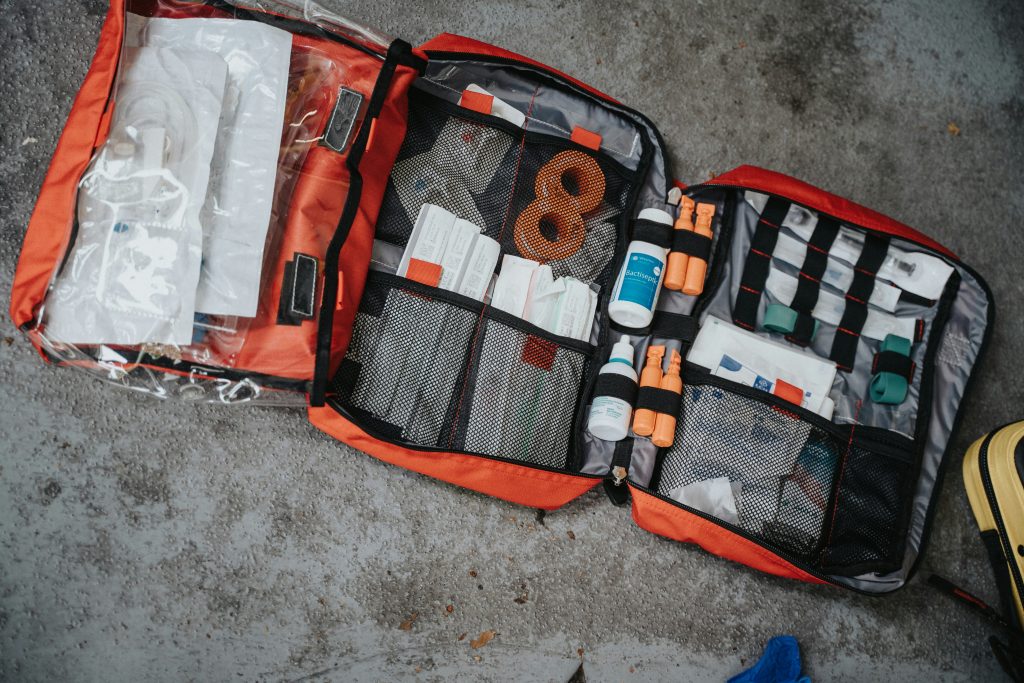
A basic first aid kit from a supermarket or chemist is fine, but aim for one that includes decent-quality plasters. Cheap plasters fall off quickly, especially if you are washing your hands more often or dealing with cold conditions. Kits from well-known suppliers such as St John Ambulance tend to use sturdier, more dependable materials and are worth the small extra cost.
A practical kit should include plasters, antiseptic wipes, gauze, a bandage and small scissors. To make it genuinely useful, add pain relief such as paracetamol or ibuprofen, a few extra plasters, a roll of medical tape and a sachet or two of rehydration salts. These small additions make a noticeable difference during a disruption.
The advice here is aimed at people without specific first aid training. If you are trained, and it is a very good idea, you will know whether you need a more extensive kit.
If you rely on prescription medication, try to keep a small buffer so you are not caught out by supply delays or pharmacy closures. Ideally this would be managed with your GP and pharmacist. Keeping everything together means you can find what you need quickly when the need arises.
5. Hygiene
Hygiene during a short disruption is about staying clean enough to feel comfortable and avoid small problems. You do not need a full wash kit; just a few everyday items kept together.
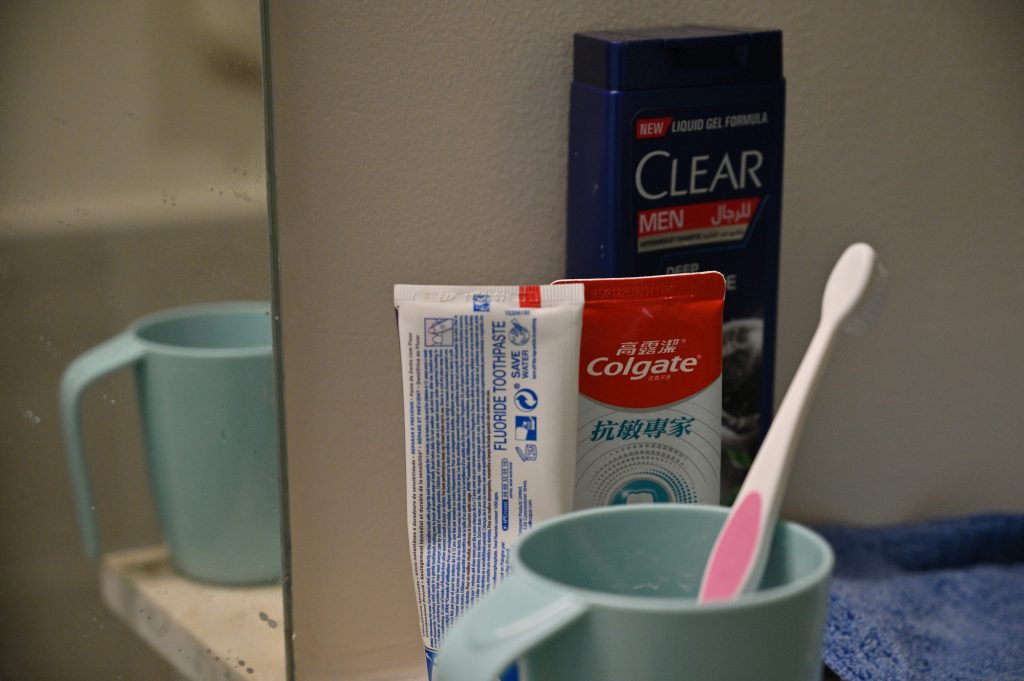
A toothbrush and toothpaste, a bar of soap, hand sanitiser and deodorant will deal with most needs. Wet wipes are especially useful if you cannot wash normally. Include a spare toilet roll and, if needed, a small pack of pads or tampons so everyone can manage their routine without stress.
Think about the needs of your household, such as nappies, incontinence products or any extra hygiene requirements for the elderly or disabled.
The aim here is not luxury. It is simply to stay comfortable and keep things manageable until normal services return.
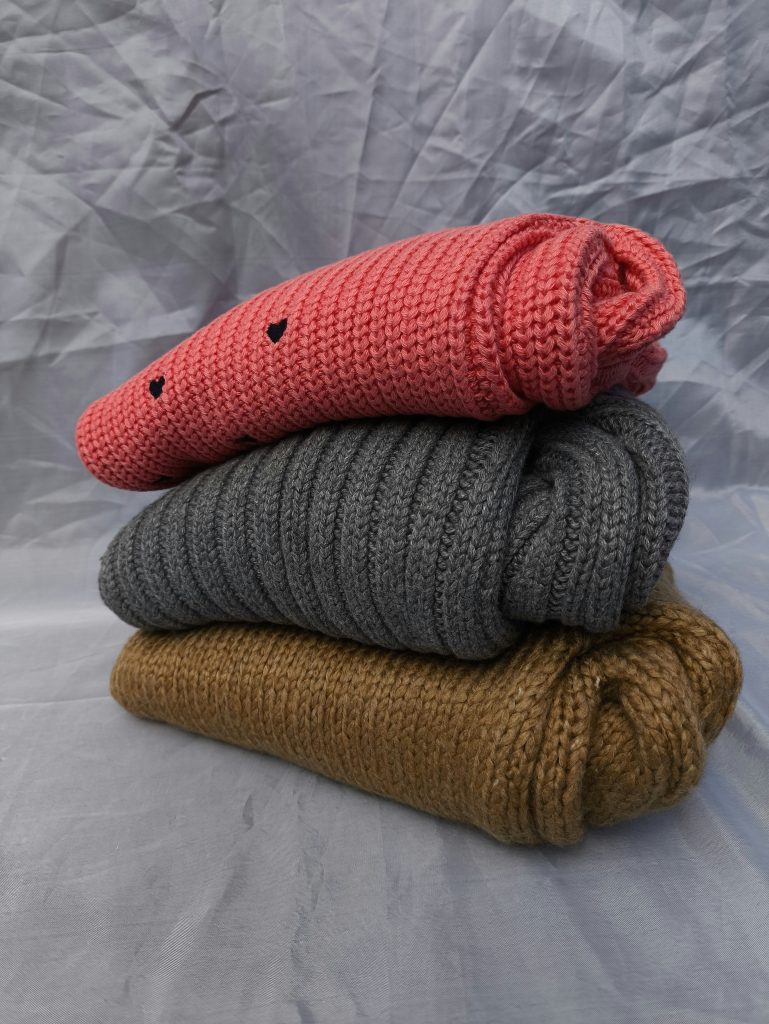
6. Warmth and Clothing
Staying warm is one of the biggest factors in comfort and safety during a short emergency. Heating failures and power cuts are common in the UK, and most homes cool down faster than people expect. The good news is that a few ordinary items you already own are enough to keep you warm for 72 hours.
If the power is still on, your kettle and microwave become valuable tools. A hot water bottle or a microwaveable wheat pack can take the chill off a room and keep you comfortable while you wait for repairs. A small fan heater is also effective if you have one, but only use it in the room you are sitting in and never leave it running unattended.
If the power is off, your best heat source is your own body. The simplest way to stay warm is to wear more layers: a base layer such as a T-shirt or long sleeve top, a jumper or fleece on top, and then a coat or hoodie if needed. You do not need specialist outdoor gear; layering works extremely well. Keeping extremities warm also makes a big difference, so include a hat, gloves and thick socks in your kit.
It is useful to keep these items together in a small ‘warm bundle’ so you can grab them quickly without searching the house. Most people already own everything required; the key is storing it in one consistent place so it is easy to find during a disruption.
If you get wet from rain or snow, change into dry clothing as soon as possible. Wet fabric pulls heat from the body very quickly, and dry socks alone can noticeably increase comfort.
Candles do not heat a room properly, but they can take the edge off and make a space feel more comfortable. If you use them, keep them on a stable, non-flammable surface, away from curtains and pets, and never leave them unattended. Always keep a lighter or matches with them.
If your home already contains any kind of combustion heater, you must have a working carbon monoxide alarm.
The aim here is not luxury. It is simply to stay warm, comfortable and safe until normal heating returns.
7. Communications
Even a short disruption can interfere with mobile data or the power your phone relies on. Your communication kit keeps you informed without depending on the grid.
A small battery-powered or hand-crank radio provides reliable news and instructions. Keep a note nearby of local radio station frequencies, Radio 4 and any station people in the household prefer.
A simple notepad and pen allow you to write down important details or leave messages if needed. Keep a paper copy of your key phone numbers so you can use another phone if yours is lost or flat.
The Emergency Alerts system on UK mobile phones can also provide important updates during national incidents, but it should not be your only source of information. Make sure your communication tools work even if your phone has no signal or charge.
Your radio and phone can be supported by the powerbank mentioned in the Light and Power section, which gives you a dependable way to keep essential devices running during a disruption.
8. Documents
During a disruption, the ability to prove who you are and access key information is surprisingly important. Paper copies of essential documents kept in a waterproof wallet remove that stress.
Include copies of your passport, driving licence, NHS and medical information, insurance documents, bank contact details, tenancy or mortgage information and any pet records. A USB stick with digital copies is optional but useful. If you include one, use password-protected files or simple encryption so your personal information stays secure.
Original documents should stay where you normally keep them. Your kit contains only the working copies.
Store the document wallet in a consistent place at home so you can reach it quickly. A drawer, cupboard or bedside location works well. It does not need to be carried around unless you are told to evacuate.
Storing the kit
There is no perfect place to store a 72-hour kit. The best location is simply somewhere consistent, accessible and protected from damp and heat. Common choices include under the bed, at the bottom of a wardrobe, in a hallway cupboard or under the stairs. The important thing is that everyone in the household knows where it is.
Final note
A 72-hour kit covers the most common short-term disruptions in the UK. Once these basics are in place you can expand naturally into longer-term resilience, but this foundation alone will make most emergencies far easier to deal with.
72-Hour Kit: Full Item List
1. Water
- Store-bought bottled water
- Clean pop bottles (for filling with tap water)
2. Food
- Ready-to-eat tins (beans, soups, pasta, chilli, curries, tinned fish)
- Manual tin opener
- Microwave rice
- Instant noodles
- Filled pasta packets
- Cereal bars
- Porridge pots
- Crackers
- Oatcakes
- Wraps
- Chocolate
- Crisps
- Nuts
- Dried fruit
- Biscuits
- Tea Instant coffee
- Squash
- Soft drinks
- Pet food (a few extra days)
3. Power and Light
- Torch
- Headlamp
- LED lantern
- Candles
- Lighter or matches
- Fully charged powerbank
- Charging cable for your phone
- Spare batteries (if using battery-powered lights)
4. First Aid and Medication
- First aid kit containing:
- Plasters (good quality)
- Antiseptic wipes
- Gauze
- Bandage
- Small scissors
- Extra plasters
- Paracetamol
- Ibuprofen
- Medical tape
- Rehydration salts
- Prescription medication (buffer supply)
5. Hygiene
- Toothbrush
- Toothpaste
- Bar of soap
- Hand sanitiser
- Deodorant
- Wet wipes
- Spare toilet roll
- Pads or tampons (if needed)
6. Warmth and Clothing
- Hot water bottle or microwaveable wheat pack
- Small fan heater (if power available)
- Base layer (T-shirt or long sleeve top)
- Jumper or fleece
- Coat or hoodie
- Hat
- Gloves
- Thick socks
7. Communications
- Battery-powered or hand-crank radio
- Notepad
- Pen
- Paper copy of key phone numbers
8. Documents
- Waterproof wallet Paper copies of:
- Passport
- Driving licence
- NHS number and medical info
- Insurance documents (home, contents, travel, car)
- Bank contact details
- Tenancy or mortgage information
- Pet records (microchip or vaccination)
- USB stick with digital copies (optional)
You may also find interesting information that may be useful here: